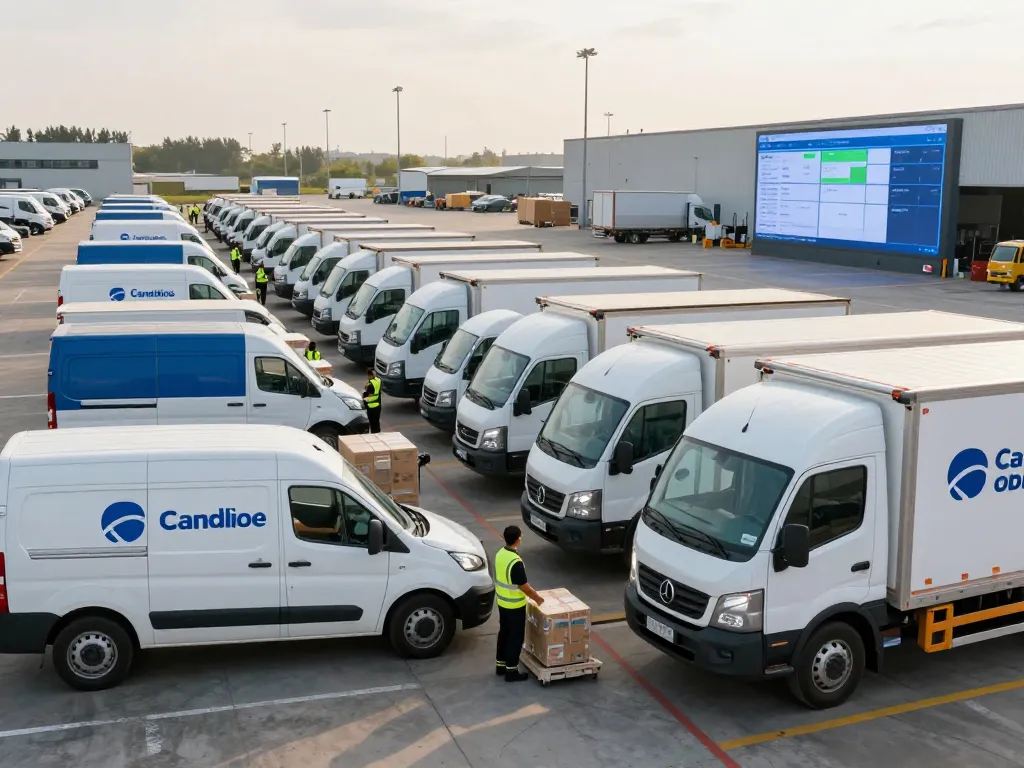
Effective Haulage Solutions for 2026: Your Guide to Streamlined Transport
Understanding Haulage: The Backbone of Modern Logistics
In today’s fast-paced economy, haulage represents a critical component of logistics, ensuring goods move efficiently across vast distances. As businesses increasingly operate globally, the need for reliable and time-sensitive transport solutions has never been more apparent. The ability to transport goods quickly and safely not only affects a company’s bottom line but also influences customer satisfaction and brand loyalty. Bennison Transport, a leader in the haulage industry, exemplifies this commitment with its 24/7 operations and capability to collect loads within an hour. When exploring options, Haulage services offer comprehensive insights into how transport logistics can meet even the most urgent demands.
What is Haulage and Its Importance in Transport?
Haulage refers to the transportation of goods, typically by road or rail, and is a fundamental aspect of the logistics sector. It encompasses various services, including freight transport, parcel deliveries, and specialized logistics for sensitive items. The importance of haulage can be seen in several ways:
- Economic Impact: Haulage contributes significantly to national and global economic activity, facilitating trade and commerce.
- Supply Chain Efficiency: Effective haulage solutions enhance the speed and reliability of supply chains.
- Customer Satisfaction: Timely deliveries lead to higher customer satisfaction, fostering repeat business.
Key Types of Haulage Services Available Today
The haulage industry offers a diverse range of services tailored to meet various logistical needs:
- Full Load (FTL): Transporting large quantities of goods, typically using a dedicated vehicle.
- Partial Load (LTL): Sharing vehicle space with multiple clients, ideal for smaller shipments.
- Express Haulage: Time-critical services for urgent deliveries, often operational 24/7, like Bennison Transport.
- Sensitive Cargo: Specialized transport for fragile or high-value items, demanding extra care and handling.
The Role of Technology in Enhancing Haulage Efficiency
Technology is revolutionizing the haulage industry, providing tools that enhance efficiency and transparency. Key advancements include:
- Tracking Systems: Real-time GPS tracking allows companies to monitor their shipments, improving accountability and customer service.
- Route Optimization Software: Algorithms help in planning the most efficient routes, reducing fuel consumption and delivery times.
- Automated Inventory Management: Integrating haulage solutions with inventory management ensures optimal stock levels and timely replenishments.
Choosing the Right Haulage Provider for Your Needs
Selecting a suitable haulage provider is critical for maintaining operational efficiency. Discerning businesses must consider various factors to make informed decisions.
What to Look for in a Haulage Company?
When evaluating potential haulage companies, businesses should assess the following criteria:
- Experience: Established companies often bring a wealth of expertise and a proven track record of reliability.
- Fleet Quality: Ensure the provider maintains a modern, well-maintained fleet equipped with the latest technology.
- Customer Reviews: Testimonials and case studies can provide insights into a company’s service quality and reliability.
- Flexibility: The ability to adapt to specific requirements, such as urgent timelines or specialized cargo, is crucial.
Evaluating Safety and Compliance Standards in Haulage
Safety should always be a top priority when selecting a haulage provider. Businesses must ensure that their chosen company adheres to stringent safety regulations and compliance standards:
- Insurance: Confirm that the provider has adequate insurance coverage for potential damages or losses.
- Driver Training: Ensure that drivers undergo regular training to maintain high safety standards.
- Vehicle Maintenance: Regular checks and maintenance schedules are vital for preventing accidents and ensuring reliability.
Understanding Pricing Models for Haulage Services
Costs associated with haulage can vary significantly based on various factors, including:
- Distance: Longer deliveries typically incur higher costs.
- Type of Load: Handling sensitive or oversized cargo may require additional resources, impacting pricing.
- Service Level: Expedited or specialized services can also lead to increased charges.
It is important to understand the pricing models, including upfront costs, recurring fees, and potential surcharges, to ensure transparency and avoid unexpected expenses.
Streamlining Your Haulage Operations
To maximize the effectiveness of haulage services, businesses should implement best practices tailored to their unique needs and operational complexities. Streamlining processes not only enhances efficiency but also significantly reduces costs.
Best Practices for Optimizing Logistics and Transport
Shifting to a more streamlined operational approach involves several effective strategies:
- Consolidate Shipments: Where possible, consolidate smaller shipments to maximize transport efficiency and reduce costs.
- Regular Communication: Maintain open lines of communication with your haulage provider to ensure timely updates and adjustments to plans as necessary.
- Performance Monitoring: Use key performance indicators (KPIs) to assess the effectiveness of your haulage operations, helping identify areas for improvement.
Implementing Real-time Tracking for Enhanced Visibility
Real-time tracking solutions provide unparalleled visibility throughout the supply chain. By implementing these systems, businesses can:
- Monitor Shipments: Gain real-time insights into the status and location of goods, allowing for better planning.
- Improve Customer Experience: Provide customers with accurate delivery estimates and updates, enhancing satisfaction and trust.
- Identify Bottlenecks: Quickly respond to delays by analyzing tracking data and adjusting operations accordingly.
Case Studies: Successful Haulage Strategies in Action
Exploring successful examples can provide valuable insights into effective strategies. For instance, a leading manufacturer reduced shipping costs by implementing a centralized logistics system that integrated all haulage operations, resulting in enhanced visibility and efficiency.
Another example is a retailer that employed real-time tracking systems, which improved delivery punctuality by 30%, showcasing how technology can drive operational excellence in haulage.
The Future of Haulage: Trends to Watch in 2026
The haulage industry is constantly evolving, driven by technological advancements and changing consumer demands. By staying informed about upcoming trends, businesses can better prepare for future challenges and opportunities.
Emerging Technologies Shaping the Haulage Industry
A number of technologies are set to reshape the haulage landscape in the coming years:
- Automation: Automation in supply chain processes, including autonomous vehicles, is expected to become more prevalent, improving efficiency and safety.
- Blockchain: This technology promises enhanced transparency in transactions and traceability, helping to combat fraud and enhance trust.
- Data Analytics: Utilizing big data analytics can lead to better forecasting and decision-making, optimizing logistics planning.
Environmental Considerations and Sustainable Haulage
As sustainability becomes a vital concern globally, the haulage industry must adapt to minimize its environmental impact:
- Alternative Fuels: Transitioning to electric or hydrogen-powered vehicles can significantly reduce carbon footprints.
- Green Packaging: Implementing sustainable packing solutions can help reduce waste during transport.
- Efficient Route Planning: Using technology to optimize routes not only saves time but also conserves fuel, contributing to sustainability goals.
Predictions: How Haulage Will Evolve in the Next Decade
Looking ahead, the haulage industry is likely to see major shifts:
- Increased Demand for Speed: As e-commerce continues to grow, a push for faster delivery times will drive innovation in haulage solutions.
- Integration of AI: Artificial intelligence will play a crucial role in standardizing processes, predicting trends, and enhancing planning capabilities.
- Global Partnerships: Collaborative efforts across borders are expected to emerge, fostering innovative solutions to tackle logistical challenges.
Frequently Asked Questions About Haulage
What Factors Affect Haulage Costs?
Several elements influence haulage costs, including distance, the type of cargo, service level, and market demand. It’s essential to evaluate these factors before committing to a provider.
How Is Haulage Different from Freight Transport?
While both terms often overlap, haulage typically refers to the actual movement of goods, whereas freight transport encompasses the broader logistics of shipping goods, including loading, storage, and delivery.
What Safety Measures Should Be in Place for Haulage?
Essential safety measures for haulage include proper vehicle maintenance, driver training programs, thorough insurance policies, and compliance with transportation regulations.
How Can I Ensure Timely Deliveries with Haulage?
To guarantee timely deliveries, choose a haulage provider known for reliability and efficiency. Consistent communication regarding deadlines and shipment tracking will also help in meeting delivery expectations.
What Are the Benefits of Using a Dedicated Haulage Service?
Utilizing a dedicated haulage service ensures that you receive specialized attention tailored to your logistics needs, leading to improved efficiency, cost savings, and enhanced customer satisfaction.