
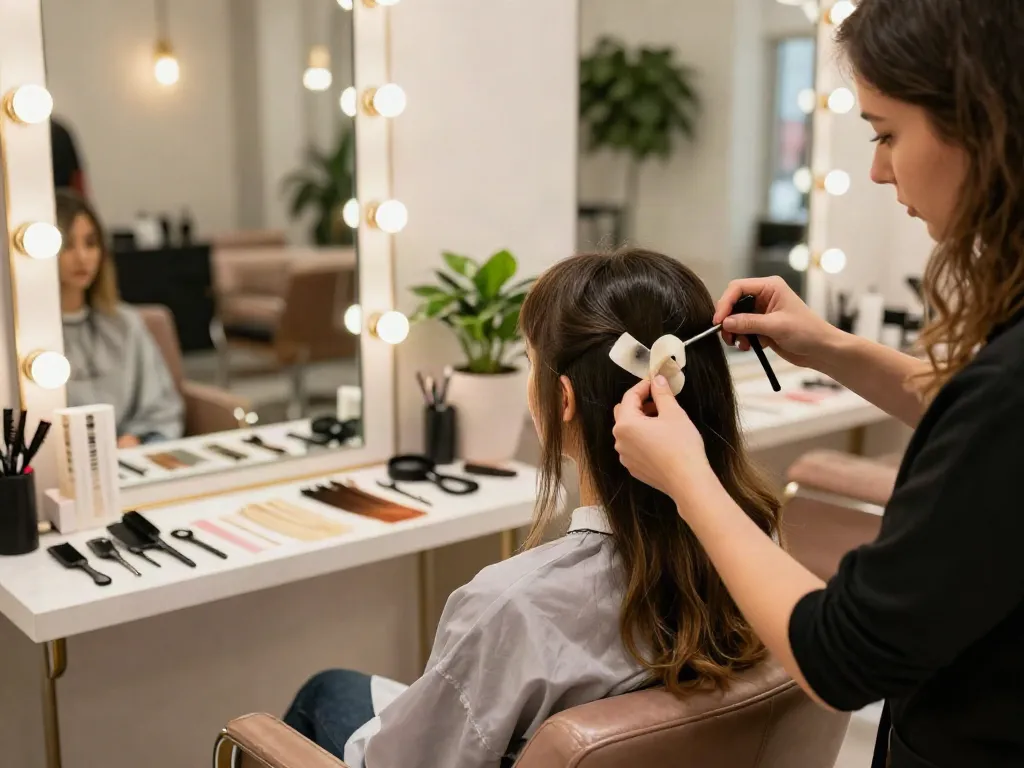
Understanding Tape Extensions for Thin Hair
Many individuals with fine or thinning hair search for ways to enhance their hair volume and achieve a fuller look. Tape extensions have emerged as one of the most sought-after solutions. These extensions are designed to blend seamlessly with natural hair, offering a discreet and light-weight option for those who may worry about damaging their hair. This article delves into the world of tape extensions for thin hair, exploring various aspects, from choosing the right type to the best application techniques.
What Are Tape Extensions?
Tape extensions are a popular type of semi-permanent hair extensions made from either synthetic or human hair. They consist of thin wefts that have adhesive tape on one side, which is applied to the natural hair. This method allows for a secure hold while ensuring that the extensions look as natural as possible. The extensions can range in length and color, catering to diverse preferences and hair types.
Benefits of Using Tape Extensions for Fine Hair
For those with thin hair, tape extensions offer several advantages:
- Lightweight: Tape extensions are significantly lighter than many other types of hair extensions, reducing the strain on fine hair.
- Natural Appearance: The design of tape extensions allows them to lay flat against the scalp, creating a seamless blend that mimics natural hair.
- Reusability: With proper care, tape extensions can be reused multiple times, making them a cost-effective option for long-term use.
- Quick Application: The installation process is relatively quick, with most applications taking under an hour.
Common Misconceptions About Tape Extensions
Despite their growing popularity, several misconceptions surround tape extensions:
- They Damage Hair: While improper application can cause damage, when installed and maintained correctly, tape extensions can be safe for fine hair.
- They Are Only for Long Hair: Tape extensions can effectively create volume and length, regardless of your natural hair length.
- They Are Expensive: Although quality matters, there are various price points available, making them accessible without breaking the bank.
Choosing the Right Tape Extensions
Types of Tape Extensions Ideal for Thin Hair
When selecting tape extensions for fine hair, consider the following types:
- Single-Sided Tape Extensions: These are lighter and ideal for those with particularly fine hair.
- Invisible Tape Extensions: Designed to blend well, these extensions are perfect for creating a natural look.
- Micro Tape Extensions: These smaller extensions are less bulky and can be used to add subtle volume.
How to Select the Correct Color and Length
Choosing the right color and length is crucial for achieving a natural appearance. Consider the following tips:
- Color Matching: Always match the extensions to your natural hair color. Consider highlights and lowlights in your hair for a more dimensional look.
- Length Selection: If you're new to extensions, start with a length that is close to your natural hair. As you gain confidence, you can experiment with longer lengths.
Evaluating Quality: What to Look For
Not all tape extensions are created equal. Here are key factors to consider:
- Material: Opt for 100% Remy human hair for a natural look and feel. Synthetic options can look less believable and may not withstand styling.
- Adhesive Quality: Ensure that the adhesive used is strong yet gentle on the hair to minimize damage.
- Brand Reputation: Research brands and read reviews to ensure you’re choosing a reputable source.
Application Techniques for Tape Extensions
Step-by-Step Guide to Applying Tape Extensions
Applying tape extensions can be done at home, but professional application is recommended for beginners. Here’s a brief overview of the application process:
- Preparation: Ensure hair is clean and dry, free from any products that may hinder adhesion.
- Sectioning: Divide your hair into manageable sections, securing the top layers out of the way.
- Placement: Take a small subsection of hair, peel the tape backing off the extension, and sandwich the natural hair between two tape wefts.
- Press and Secure: Use a flat iron with low heat to secure the extension further, ensuring the adhesive bonds well.
Best Practices for Securing The Extensions
To ensure longevity, follow these best practices:
- Avoid Excessive Heat: Minimize the use of hot tools on the bonds.
- Gentle Brushing: Use a wide-tooth comb to detangle without pulling on the extensions.
- Regular Checks: Regularly inspect the extensions to ensure they remain secure.
Common Mistakes to Avoid During Application
Avoid these common pitfalls during application:
- Applying Too Close to the Scalp: This can cause discomfort and lead to quicker wear and tear.
- Overloading with Hair: Using too much hair in each sandwich can weigh down the natural strands.
- Neglecting Maintenance: Regular care is essential for the longevity of your extensions.
Maintaining Tape Extensions for Longevity
Daily Care Tips for Tape Extensions
To get the most out of your tape extensions, adhere to the following daily care tips:
- Use Sulfate-Free Products: Opt for products that won’t strip oils or damage the adhesive.
- Limit Washing Frequency: Aim to wash your hair 2-3 times a week to maintain the extensions’ integrity.
- Dry Carefully: Gently pat dry with a towel instead of rubbing.
How to Handle Common Issues: Shedding and Tangling
If you experience shedding or tangling, follow these steps:
- Regular Maintenance: Schedule routine checks and re-taping as necessary.
- Detangler Spray: Use a light detangler on tangles; avoid heavy products that can cause buildup.
- Professional Help: If issues persist, consult a professional stylist for assistance.
When to Seek Professional Help
It’s wise to seek professional assistance in the following scenarios:
- First Application: If you’re new to tape extensions, a professional application will ensure the best results.
- Major Damage: If your natural hair shows signs of damage, it’s crucial to consult a stylist.
- Re-taping Needs: Regular re-taping can be challenging; a stylist can do this efficiently.
Future Trends in Hair Extensions
Innovations in Tape Extensions for 2026
As technology advances, the world of hair extensions evolves as well. Expect to see:
- Eco-Friendly Materials: Sustainable practices will become a priority, with many brands moving toward organic and recycled materials.
- Smart Extensions: Innovations in technology could lead to extensions that monitor hair health and alert wearers to necessary maintenance.
Expert Predictions on Hair Extension Materials
Industry experts predict a shift towards:
- Bio-Compatible Adhesives: Future adhesives may be safer and more effective while minimizing hair damage.
- Highly Customizable Options: Greater personalization in colors, lengths, and textures will become standard.
Emerging Techniques for Tape Extensions and Maintenance
Look out for:
- Advanced Application Techniques: Techniques that enhance the longevity and comfort of tape extensions will likely emerge.
- Enhanced Training for Stylists: As demand grows, more specialized training programs will develop for stylists focusing on tape extensions.
Are tape extensions good for fine, thin hair?
Yes, tape extensions are specifically designed to be lightweight and blend seamlessly, making them suitable for individuals with fine or thinning hair.
Which type of extensions are best for thin, fine hair?
Invisible tape extensions and micro tape extensions are often recommended as they are less bulky and provide a more natural look.
What is one disadvantage of tape in hair extensions?
One notable disadvantage is that if not applied correctly, they can cause damage to your natural hair and lead to discomfort.
What are the best tape-in hair extensions for fine, thin hair?
Quality options made from Remy human hair, like invisible tape extensions, are among the best for fine hair, as they provide a natural look while being gentle on the hair.
How often should I replace my tape extensions?
Typically, tape extensions should be re-taped every 6-8 weeks, depending on hair growth and how well they are maintained.