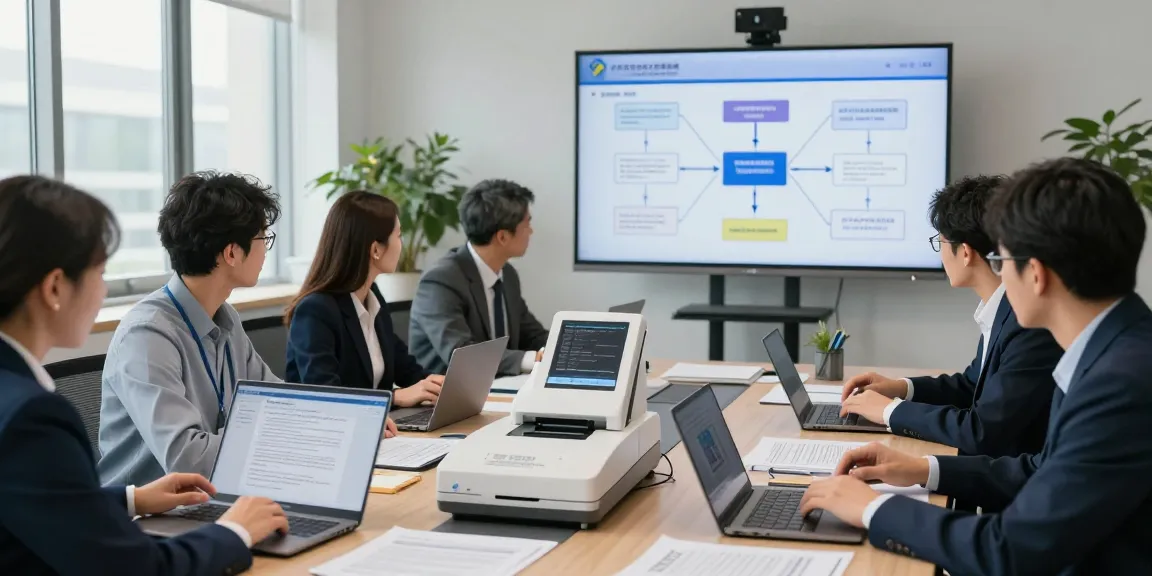
Understanding Custom Conference Tables
In today's fast-paced business environment, a well-designed conference table is more than just a piece of furniture; it reflects a company's professionalism and commitment to quality. Custom conference tables offer businesses the unique opportunity to create a focal point in their meeting spaces, tailored to their specific needs and aesthetic preferences. Whether for brainstorming sessions, presentations, or client meetings, a custom conference table can elevate the overall ambiance of your workspace. When exploring options, Custom conference table provide comprehensive insights into craftsmanship and quality.
What is a Custom Conference Table?
A custom conference table is a table specifically designed to meet the needs of a business, taking into account dimensions, materials, shape, and additional features. Unlike standard models, which may not fit perfectly in a space or suit a company's style, custom tables are built to exact specifications—ensuring that they enhance both functionality and aesthetic appeal. The process typically involves consultations with designers and builders to discuss the unique requirements of the client.
Benefits of Custom Conference Tables for Businesses
Investing in a custom conference table comes with several advantages:
- Tailored Design: Each table can be designed to fit the dimensions of the conference room, making efficient use of space.
- Durability: Custom tables are often made from high-quality materials designed to withstand everyday use, ensuring longevity.
- Aesthetic Appeal: Customization allows businesses to select colors, finishes, and designs that align with their branding.
- Functionality: Additional features such as integrated technology, power outlets, and cable management can be incorporated, enhancing usability.
- Brand Representation: A well-designed conference table reflects the company’s values and professionalism, making a positive impression on clients and employees alike.
Key Features to Consider
When selecting a custom conference table, it's essential to consider various features that align with business needs:
- Size and Shape: Depending on the layout of the meeting room and the number of anticipated participants, the table should be appropriately sized and shaped.
- Material: High-quality woods like walnut, oak, and maple not only provide durability but also contribute to the table's visual appeal.
- Technology Integration: Built-in power options and connectivity features accommodate modern technological needs.
- Finishes: A variety of finishes can be chosen to match or contrast with existing office décor.
Materials for Custom Conference Tables
Types of Wood Used in Construction
The materials selected for a custom conference table significantly impact its durability and aesthetic. Common woods include:
- Walnut: Known for its rich color and grain patterns, walnut is a premium choice for high-end tables.
- White Oak: Durable and water-resistant, this wood is ideal for high-use environments.
- Maple: Its light color and fine grain make maple an excellent option for modern designs.
- Hickory: Being one of the strongest domestic hardwoods, hickory offers excellent durability.
Benefits of High-Quality Materials
Investing in quality materials not only enhances the appearance of a conference table but also ensures it withstands the test of time. High-quality wood is more resistant to scratches, dings, and other forms of wear and tear, thus maintaining its visual appeal and function over the years. Moreover, quality materials contribute to better acoustics in meetings, as they can help absorb sound rather than reflect it.
Eco-Friendly Options for Sustainable Choices
As businesses increasingly prioritize sustainability, many are looking for eco-friendly materials for their custom conference tables. Sustainable hardwoods, reclaimed wood, and low-emission finishes can reduce environmental impact without sacrificing quality or design. This approach not only helps the planet but can also enhance a company’s reputation, making it more attractive to environmentally conscious clients.
Designing Your Custom Conference Table
Choosing the Right Size and Shape
The size and shape of a conference table should complement the room’s layout while accommodating the number of participants. Common shapes include rectangular, oval, and circular. Rectangular tables are ideal for formal settings, while oval and circular tables foster more collaborative discussions. It's vital to consider the flow of movement around the table and ensure there's enough space for chairs and accessibility.
Integrating Technology: Power and Connectivity Options
In today’s digital age, integrating technology into conference tables is essential. Businesses can choose options like built-in power outlets, USB ports, and HDMI connections, allowing for seamless presentations and connectivity during meetings. Additionally, smart features such as wireless charging and hidden cable management systems create a clutter-free workspace, enhancing both aesthetics and functionality.
Finishes and Aesthetic Considerations
The finish of a conference table contributes significantly to its overall look and feel. Choices range from matte to glossy, and various stains can enhance the wood’s natural grain. When selecting a finish, it's essential to consider the surrounding décor and the message the business wants to convey. A modern, sleek finish may suit tech-centric companies, while a warm, rustic finish can fit more traditional office environments.
Implementation and Logistics
Timeline for Ordering and Delivery
The timeline for receiving a custom conference table typically varies based on design complexity, material availability, and manufacturer capacity. On average, it may take anywhere from 6 to 12 weeks from design approval to delivery. Customers should factor in additional time for any potential adjustments or customizations in the design process.
Custom Conference Table Assembly and Installation
Once the custom conference table is delivered, proper assembly and installation are crucial for achieving the desired functionality and aesthetics. Some companies may offer installation services, while others provide detailed instructions for customers opting for DIY assembly. Ensuring the table is correctly positioned and secured can enhance its longevity and usability.
Maintenance Tips for Longevity
To preserve the beauty and functionality of a custom conference table, regular maintenance is essential. Simple care techniques include:
- Cleaning: Use a soft, damp cloth to clean the surface regularly, avoiding harsh chemicals that may damage the finish.
- Polishing: Occasionally apply a wood conditioner or polish to maintain the shine and protect the wood.
- Avoiding Direct Heat: Use coasters and placemats to prevent heat damage from laptops or hot drinks.
- Humidity Control: Keep the environment stable to prevent wood warping; using a humidifier in dry seasons can be beneficial.
Future Trends in Conference Room Design
Emerging Styles and Features for 2026
As we look toward 2026, several trends are emerging in conference room design that businesses should consider. Flexible configurations that allow for easy reconfiguration of spaces to accommodate different meeting formats are gaining popularity. Additionally, biophilic design, which incorporates natural elements and greenery into workspaces, is expected to contribute to improved employee well-being and creativity.
The Role of Customization in Future Office Spaces
Customization will play a vital role in future office spaces. As remote work continues to evolve, companies are looking for ways to create versatile and accommodating environments that reflect their unique cultures. Custom conference tables will be essential in enabling firms to adapt their meeting spaces for various collaboration styles while providing an inviting atmosphere for team engagement.
Case Studies: Successful Custom Conference Table Implementations
Several companies have successfully integrated custom conference tables into their office designs, significantly enhancing collaboration and functionality. For instance, a tech startup redesigned its meeting space with a large oval conference table that included integrated technology for seamless presentations. This design not only facilitated better teamwork but also promoted a more inclusive environment, encouraging participation from all team members. Another example is a law firm that opted for a sleek, modern rectangular table made from reclaimed wood, reflecting its commitment to sustainability while providing a professional setting for client meetings.