Effective Strategies for Spray Foam Removal London: Expert Insights and Techniques
Understanding Spray Foam Removal Process
What is spray foam and why is removal needed?
Spray foam is a popular insulation material composed of polyurethane that expands on application. It creates an airtight seal that helps improve energy efficiency in buildings. However, over time, spray foam may degrade, become damaged, or cause allergic reactions in some individuals. Instances of mold growth behind spray foam or changes in building regulations can also necessitate its removal. Thus, understanding the spray foam removal London process becomes essential for maintaining property values and ensuring a healthy indoor environment.
Key tools and equipment for successful removal
The removal of spray foam requires specific tools that can facilitate effective and safe extraction. The primary tools include:
- Utility Knife: For cutting away the top layer of foam.
- Oscillating Multi-Tool: Ideal for intricate removals and reaching tight spaces.
- Heat Gun: Softens the foam, making it easier to scrape off.
- Protective Gear: Including gloves, goggles, and masks to ensure safety.
- Dust Extraction System: For cleaning up residue and minimizing inhalation risks.
Safety precautions during spray foam removal
Safety should be a priority when removing spray foam. Key precautions include:
- Using personal protective equipment (PPE) such as gloves and masks.
- Ensuring proper ventilation in the area to avoid inhaling fumes.
- Being cautious of falling debris, particularly in ceilings and wall cavities.
- Handling tools carefully to prevent accidents or injuries.
- Knowing the disposal regulations for hazardous waste to ensure compliance.
Challenges Encountered in Spray Foam Removal London
Common issues with older spray foam installations
Older spray foam installations may present several challenges, including inadequate adhesion, degradation from exposure to moisture, or allergenic properties. The increasing age can also lead to difficulties in separating the foam from surfaces without damaging them, complicating the removal process.
Environmental considerations and regulations
Environmental regulations concerning the disposal of spray foam can vary widely. It is crucial to adhere to local disposal rules to prevent environmental harm. Knowledge of these regulations will guide efficient practices and prevent legal issues during removal projects.
Cost factors influencing removal projects
The total cost of spray foam removal can fluctuate based on several factors, such as:
- The amount of foam to be removed.
- Accessibility of the installation site.
- The condition of underlying materials.
- Labor costs associated with hiring professionals.
Understanding these cost factors helps property owners prepare for more extensive financial commitments associated with removal.
Best Practices for Efficient Foam Removal
Step-by-step guide for DIY spray foam removal
For those who wish to undertake a DIY approach to spray foam removal, the following step-by-step guide provides an efficient method:
- Assess the area and identify the extent of the foam.
- Gather necessary tools and safety equipment.
- Start by cutting the foam with a utility knife to divide it into manageable sections.
- Use the oscillating multi-tool along with a heat gun to soften the foam.
- Scrape away the foam using appropriate tools.
- Ensure that you clean the surface thoroughly from debris.
- Dispose of the foam as per local regulations.
When to hire professional services for removal
While DIY can be a rewarding option, there are instances where hiring professionals is advisable. Consider professional help when:
- The amount of spray foam is extensive or hard to reach.
- You are unsure of safely handling removal tools.
- There are underlying mold or structural issues that need addressing.
- Regulatory compliance for disposal seems complex.
Post-removal clean-up and restoration tips
After successful foam removal, thorough clean-up and restoration are necessary. Tips include:
- Vacuum the area to remove additional debris.
- Inspect the surface for damage and make any necessary repairs.
- Consider re-insulating with appropriate materials.
- Monitor the area for any residual odors or allergens.
- Consult a restoration expert for further assistance if needed.
Comparative Analysis: DIY vs. Professional Spray Foam Removal London
Advantages of professional removal services
Hiring professionals for spray foam removal comes with several advantages, such as:
- Expertise in handling difficult or hazardous removals.
- Access to advanced tools and technologies for efficient removal.
- Compliance with safety and environmental regulations.
- Guaranteed cleanup and restoration services.
Cost analysis: DIY efforts versus professional help
When weighing the financial implications, consider that while DIY may seem cheaper initially, costs for tools and materials can rapidly accumulate. In contrast, professional services often include warranties and guarantee their work, which may save money in the long run by avoiding potential damages incurred during improper DIY attempts.
Success stories: Case studies of foam removal projects
Case studies illustrate how careful planning and execution in foam removal can lead to successful outcomes. For instance, a homeowner faced severe mold issues behind outdated spray foam insulation. After contracting a professional team, the removal was executed swiftly, followed by proper mold remediation. The end result was a healthier living environment and increased property value.
Frequently Asked Questions about Spray Foam Removal
What are the signs that foam removal is necessary?
Signs include peeling or degrading foam, moisture buildup, unpleasant odors, or health issues like respiratory problems in occupants.
How long does the foam removal process take?
The time required varies depending on the area and amount of foam but generally ranges from a few hours to several days for larger projects.
Are there health risks associated with spray foam?
Yes, exposure to decomposing foam can release harmful particles. Mold growth beneath or chemical exposure can also lead to health complications.
What should I expect during a professional removal service?
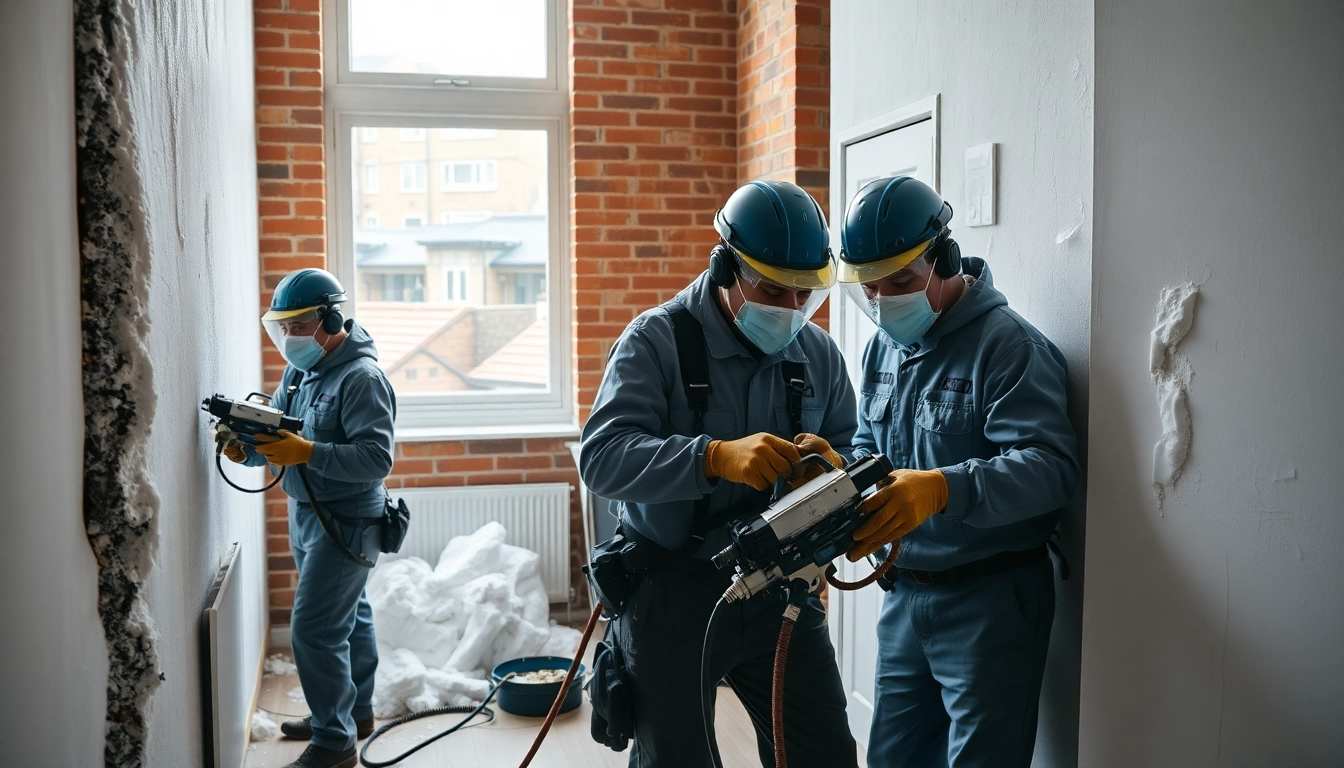
Expect a thorough assessment, detailed planning, professional execution, and cleanup. The team will take necessary precautions to protect your property and health.
Can I reuse the space immediately after removal?
It is advisable to wait until the area has been properly cleaned, inspected, and re-insulated before reusing the space to ensure safety and comfort.