Mastering Colonial Home Construction: A Comprehensive Guide
Understanding Colonial Home Construction
Colonial home construction embraces a rich historical tradition, characterized by timeless designs that have stood the test of time. Those who appreciate the intricate details of architecture and the elegance of history often find themselves drawn to the classic features of colonial homes. This detailed guide will explore the fundamentals of colonial architecture while offering practical insights to those considering entering into the world of colonial home construction.
What Defines Colonial Architecture?
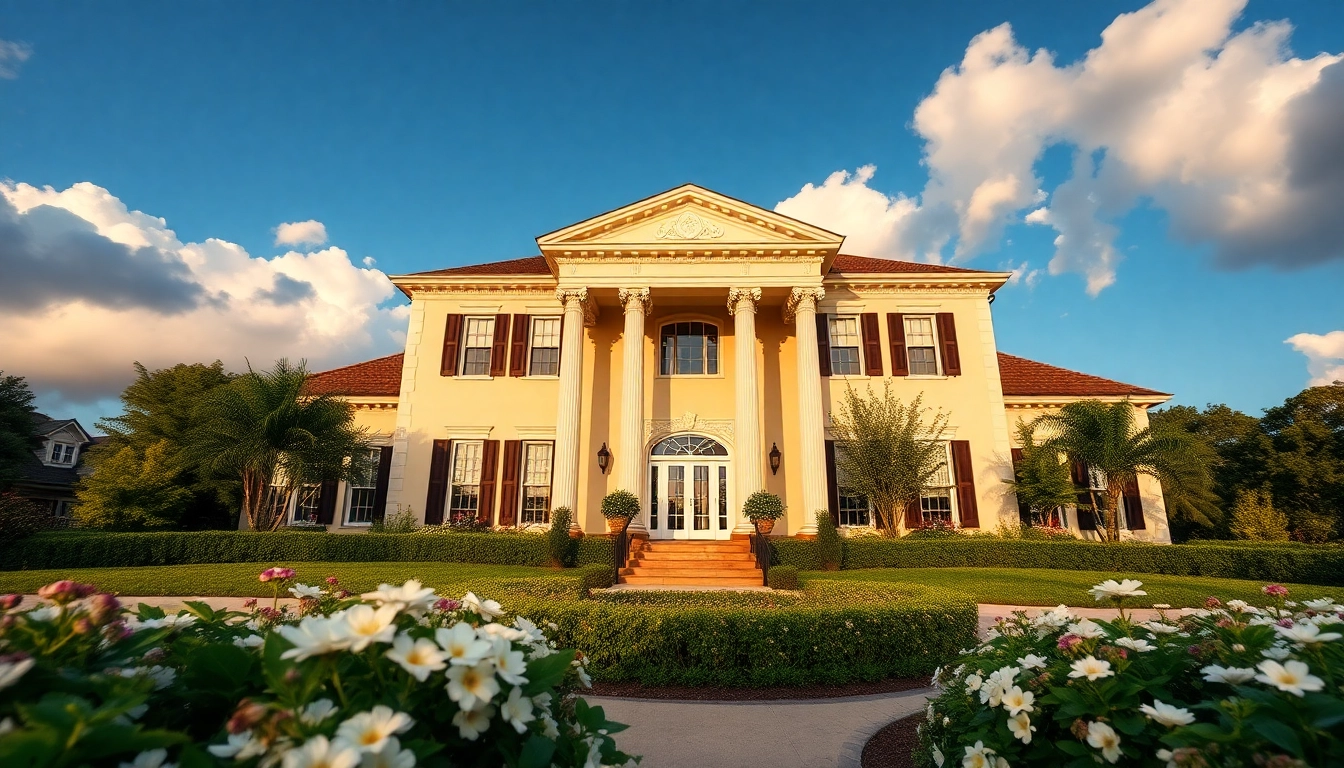
Colonial architecture refers to the styles that emerged during the periods of European colonization, particularly in the 17th and 18th centuries. These homes are identifiable by their symmetry, geometric forms, and classic detailing. Many colonial homes boast a central doorway flanked by evenly spaced windows, pitched roofs, and dormers. Regional variations exist, with different countries exhibiting their unique interpretations of colonial design. In essence, colonial architecture is a blend of cultural influences, making it a rich topic for exploration.
Historical Significance of Colonial Homes
The historical significance of colonial homes extends beyond aesthetic appeal. They reflect the lifestyle, values, and social structures of the era in which they were built. Homes constructed during the colonial period served as a testament to the settlers’ adaptation to the local environment while importing design elements from their home countries. This architectural style tells a story of resilience, craftsmanship, and an unyielding connection to cultural heritage.
Common Features in Colonial Home Construction
Common features present in colonial home construction encompass a set of distinct characteristics that help distinguish these homes from other styles. Key features include:
- Symmetrical Facades: Most colonial homes are designed with a focus on symmetry, showcasing a central entrance and an equal number of windows on either side.
- Two or Three Stories: Historically, colonial homes were often built as two or three stories, providing ample living space for families.
- Gable Roofs: The steeply pitched roofs of colonial homes provide both aesthetic appeal and practical advantages, such as efficient water drainage.
- Classical Columns: Many colonial designs feature classical columns, often at the entrance or on porches, adding grandeur to the home’s appearance.
Planning Your Colonial Home Project
When considering a colonial home construction project, thorough planning is vital. Identifying your needs and preferences can set the foundation for a successful process. A well-structured plan ensures a holistic approach to every aspect of the construction, from design to implementation.
Key Considerations for Colonial Home Construction
Key considerations that should be addressed during the planning phase include understanding local zoning laws, the architectural style that best fits your vision, and the layout that would suit your lifestyle. Additionally, you might want to explore sustainability options, as this will enhance the long-term value of your home.
Choosing the Right Location
Selecting an appropriate location for your colonial home is critical. Consider proximity to amenities, the neighborhood’s character, school districts, and the local climate, as these factors will greatly influence your quality of life and potential property value. Finding a balance between a desirable location and available resources is a core part of your planning process.
Budgeting for Colonial Home Construction
Establishing a realistic budget is another critical step in planning your colonial home construction. Costs can vary significantly depending on the quality of materials, the complexity of the design, and labor expenses. Creating a detailed budget that allows for contingencies will help ensure that your project stays on track financially. Remember to include costs for permits, inspections, and potential landscaping.
Materials Used in Colonial Home Construction
The choice of materials is paramount in colonial home construction. Historically, many colonial homes were built using local resources. However, modern construction offers a variety of options to choose from, each with its own set of pros and cons.
Traditional vs. Modern Materials
Traditional materials used in colonial home construction include wood, brick, and stone. Wood, particularly pine, was abundant in the early American landscape, while brick was commonly used in areas with significant clay deposits. Today, while these traditional materials remain popular, modern alternatives such as engineered wood and synthetic materials are often considered to enhance durability and efficiency.
Environmental Impact of Construction Materials
In the context of sustainability, the environmental impact of construction materials must be considered. Responsible sourcing, as well as the longevity of materials, plays a crucial role in minimizing ecological footprints. Utilizing local resources not only reduces transport emissions but also supports local economies, making sustainability a key aspect of any colonial home construction project.
Sourcing Quality Materials for Colonial Home Construction
To achieve an authentic colonial design, sourcing quality materials that reflect the traditional aesthetic is essential. Consider working with suppliers who understand the historical context and intimately know the materials best suited for maintaining authenticity. Moreover, investigating reclaimed or salvaged materials gives character and history to your home while being environmentally responsible.
Design Trends in Colonial Home Construction
As we delve deeper into colonial home construction, understanding current design trends can make your project both functional and aesthetically pleasing. It’s essential to balance modern conveniences with the classic sensibilities of colonial architecture.
Mixing Modern Amenities with Classic Designs
Modern homeowners frequently desire to incorporate the latest technologies and amenities into their colonial homes. This mix can involve high-efficiency HVAC systems, smart home technology, and eco-friendly appliances without compromising the classic charm of the home. Collaborating with architects who specialize in colonial design can help harmoniously fuse the old with the new.
Energy Efficiency in Colonial Homes
Enhancing energy efficiency in colonial homes is not just about achieving lower utility bills; it’s also about preserving the environment. Implementing solutions such as proper insulation, energy-efficient windows, and modern heating/cooling systems can significantly reduce energy consumption while maintaining the overall aesthetics of the home.
Color Palettes and Decoration Styles
Choosing the right color palette plays a pivotal role in highlighting the architectural details of colonial homes. Traditional colonial colors often include muted tones like soft whites, pale blues, and earthy greens, which complement natural materials beautifully. Furthermore, the selection of decorative styles, including period-appropriate furnishings and art, enhances the home’s charm and authenticity.
Common Challenges and Solutions
Embarking on a colonial home construction project can bring unique challenges. Understanding these potential complications and having strategies to address them can lead to a smoother, more enjoyable construction experience.
Overcoming Building Regulations in Colonial Home Construction
Building regulations can pose significant challenges, especially for historical or culturally sensitive projects. Familiarizing yourself with local building codes early in the planning process can prevent setbacks. Engaging with professionals who have experience navigating these regulations will ensure that your project adheres to all necessary requirements.
Addressing Size and Space Constraints
Size and space constraints frequently arise during colonial home construction, especially in urban settings. Embracing innovative design solutions, such as open floor plans or multipurpose spaces, can maximize functionality within limited square footage while maintaining a sense of spaciousness.
Maintenance of Colonial Homes
Preserving a colonial home involves consistent maintenance and attention to detail. Regular inspections of the home’s structural integrity, roof, and exterior finishes will ensure longevity. Establishing a routine for upkeep will help maintain your home’s charm and mitigate more extensive repair needs down the line.
FAQs About Colonial Home Construction
What is the typical style of colonial homes?
Colonial homes often feature symmetrical designs, gable roofs, and classical detailing with a central entrance flanked by windows.
Are colonial homes energy efficient?
When built with modern materials and technology, colonial homes can be designed for energy efficiency, reducing utility costs while preserving style.
What materials are best for colonial homes?
Wood, brick, and stone are traditional materials, but modern alternatives like engineered wood can also provide durability and aesthetics.
How do I ensure authenticity in a colonial home?
Sourcing quality traditional materials and consulting with architects specializing in colonial designs are key to maintaining authenticity.
What are the common challenges in colonial home construction?
Common challenges include navigating building regulations, managing space constraints, and ensuring ongoing maintenance for longevity.