Leading Cabinet Hinge Manufacturers: Innovating Precision and Design
1. Introduction to Cabinet Hinge Manufacturers
When embarking on a cabinetry project, the choice of hardware can significantly impact the functionality and aesthetics of the final product. Among these critical components are cabinet hinges, which are vital for ensuring smooth operation and longevity of cabinet doors. Understanding the role of Cabinet Hinge Manufacturers is essential for both industry professionals and DIY enthusiasts alike, as it influences the overall quality and design of cabinetry solutions.
1.1 What are Cabinet Hinges?
Cabinet hinges are mechanical devices that connect the cabinet door to the cabinet frame, allowing it to pivot open and closed. These hinges play a fundamental role in the usability and durability of cabinetry. There are various types of cabinet hinges, including but not limited to, concealed, overlay, and inset hinges. Each type of hinge serves different functional and aesthetic purposes, and the right choice can enhance the user experience.
1.2 Importance of Selecting the Right Manufacturer
Choosing the right manufacturer is crucial in ensuring that the cabinet hinges meet specific performance standards and design requirements. Factors such as material quality, hinge type, customization options, and sustainability practices set different manufacturers apart. A reliable manufacturer not only guarantees superior product quality but also offers consistency in delivery and support, making it an essential partnership for any cabinetry project.
1.3 Overview of Manufacturing Processes
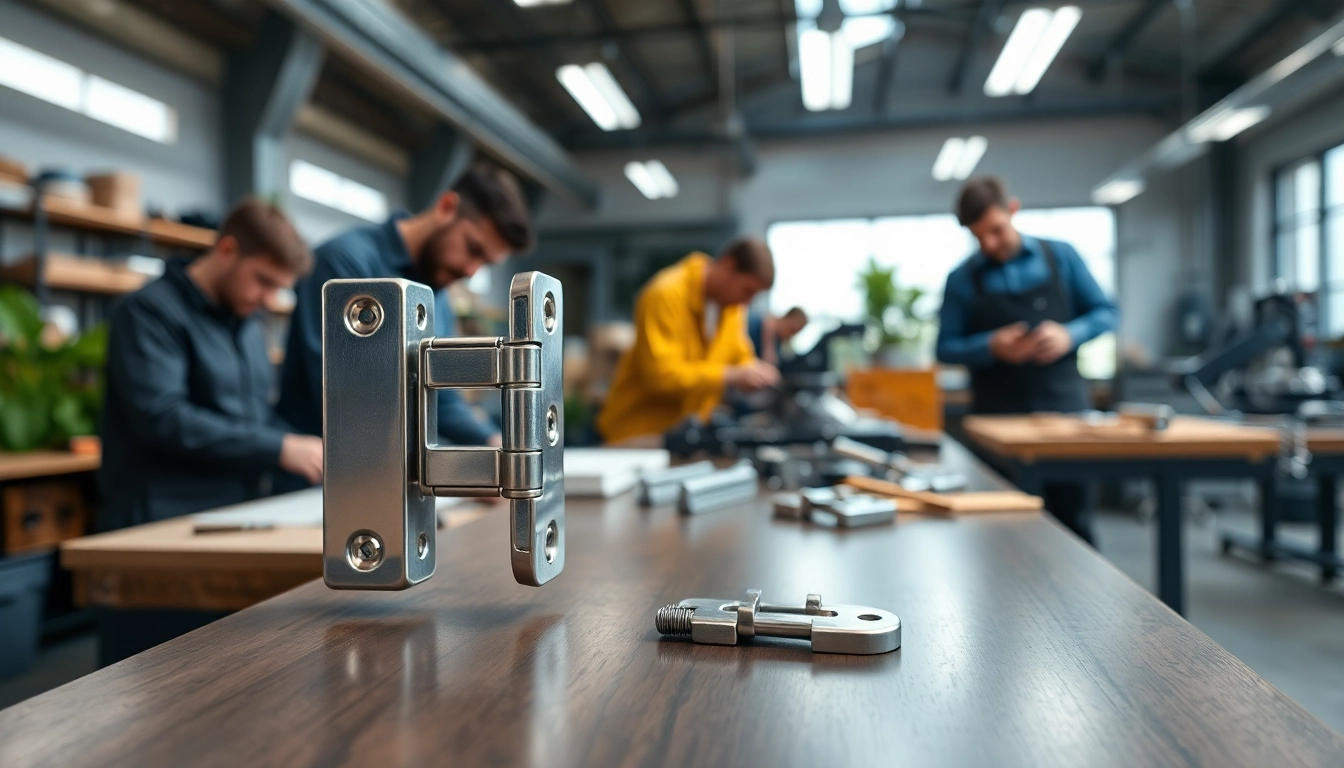
The manufacturing of cabinet hinges involves several processes that ensure quality and durability. These may include material sourcing, machining, surface treatment, and quality control. Each process is designed to achieve precision in manufacturing, ensuring that the hinges not only perform well but also resist wear and corrosion over time. Understanding these processes can help you make informed decisions when selecting a manufacturer.
2. Types of Cabinet Hinges
Cabinet hinges come in a variety of designs and functions. Knowing the types available can help in selecting the right hinge for your cabinetry project.
2.1 Standard Hinges vs. Specialty Hinges
Standard hinges are typically suited for everyday cabinet use, providing reliable opening and closing functions. Specialty hinges, on the other hand, are designed for specific applications and can offer unique functionalities, such as soft-closing mechanisms or decorative aspects. Some commonly used specialty hinges include European hinges, pivot hinges, and bi-fold hinges. Each type presents unique advantages depending on the cabinetry’s use case.
2.2 Materials Used in Hinge Manufacturing
The material used to manufacture cabinet hinges has a significant impact on their durability, functionality, and aesthetic appearance. Common materials include stainless steel for its corrosion resistance, brass for its visual appeal, and plastic for lightweight applications. High-quality finishes, such as nickel plating or powder coating, can enhance the lifespan and appearance of hinges, making them suitable for various environments.
2.3 Choosing the Right Type for Your Project
When selecting the right hinge, consider factors such as the cabinet design, door style, and intended use. Overlay hinges are often used for contemporary cabinets, while concealed hinges can provide a clean look by hiding the hinge mechanism when the door is closed. It’s critical to match the hinge type with the cabinet door specifications to ensure proper functionality and aesthetics in the final product.
3. Key Features to Look for in Cabinet Hinge Manufacturers
Selecting the right cabinet hinge manufacturers requires evaluation of several important features to ensure you partner with a company that aligns with your quality and service expectations.
3.1 Quality Assurance and Certifications
Manufacturers should have a robust quality assurance process in place to guarantee the reliability and longevity of their products. Look for certifications such as ISO 9001, which indicate adherence to internationally recognized quality management standards. Quality assurance processes should encompass sourcing, manufacturing, and post-production inspections to ensure that the hinges meet specified standards.
3.2 Customization Options Available
Customization can be vital for specific projects that require unique hinge designs or finishes. Many manufacturers offer tailored solutions to fit individual project requirements, allowing for personalized aesthetics and functional features. Determine whether customization can meet your specific design needs, as this could set one supplier apart from another.
3.3 Sustainability Practices in Manufacturing
As sustainability continues to be a leading concern across industries, examining the environmental practices of cabinet hinge manufacturers is vital. Look for companies that source materials responsibly, utilize eco-friendly manufacturing processes, and implement recycling programs. Sustainable practices not only contribute to environmental protection but can also enhance brand value and appeal to eco-conscious consumers.
4. Top Considerations for Collaborating with Cabinet Hinge Manufacturers
Establishing a successful collaboration with cabinet hinge manufacturers requires careful consideration of several factors to ensure smooth operations and positive outcomes.
4.1 Cost Efficiency and Budget Management
Understanding pricing structures is essential for maintaining budgetary control over your cabinetry projects. Evaluate different manufacturers based on their pricing models and the value they offer. This may involve considering the long-term quality and durability of the products against their initial costs, leading to more effective budget management.
4.2 Communication and Project Management
Effective communication is crucial when working with manufacturers. Ensure that there are clear channels for addressing design queries, scheduling shipments, and tracking orders. A collaborative approach can help anticipate challenges, make adjustments, and ensure that project milestones are met on time.
4.3 Evaluating Shipping and Delivery Times
Shipping and delivery times can vary significantly between manufacturers. It’s essential to discuss lead times prior to engagement, particularly for large projects requiring timely completion. Assessing a manufacturer’s supply chain capabilities can prevent delays and disruptions, allowing for better project management and planning.
5. Frequently Asked Questions
5.1 What factors affect the price of cabinet hinges?
Prices vary based on material, complexity, and order volume. Standard hinges are typically less expensive, while specialized designs may cost more.
5.2 How do I ensure the quality of hinges?
Select manufacturers with strong quality assurance processes and certifications. Always review product samples and customer testimonials to gauge performance.
5.3 Can I customize cabinet hinges?
Many manufacturers offer customization options for design and finishes to meet specific project requirements and aesthetics.
5.4 How long do cabinet hinges typically last?
High-quality hinges can last for many years with proper use and care, typically ranging anywhere from 10 to 30 years, depending on the materials and environment.
5.5 What is the best way to contact manufacturers?
Visit their website or reach out through their customer service for inquiries. Email communications and direct phone calls can also provide quick responses.