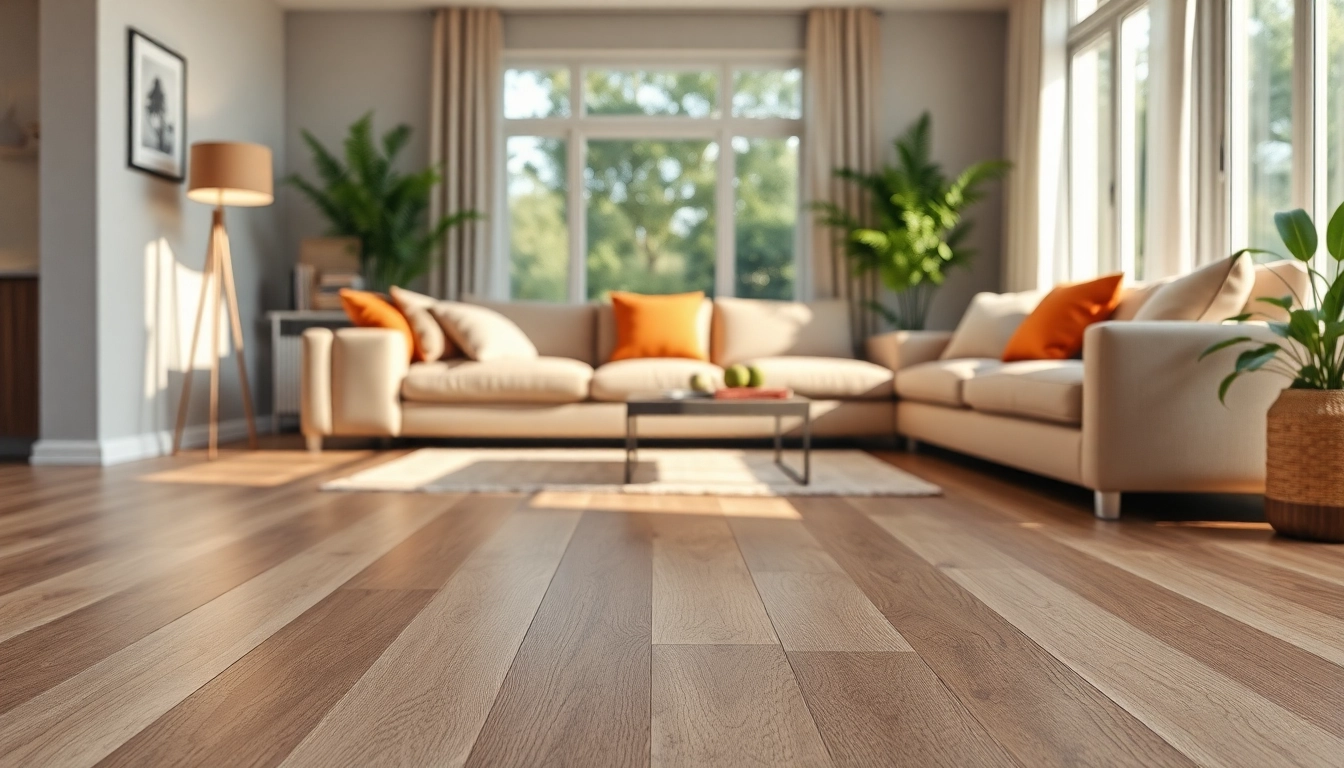
Transform Your Space with Beautiful Vinyl Plank Flooring Options
Why Choose Vinyl Plank Flooring?
Vinyl plank flooring has gained immense popularity among homeowners and interior designers alike for a variety of reasons. It combines functionality and aesthetics, making it a versatile choice for any space. Whether you’re renovating an old home or designing a new one, exploring options such as vinyl plank flooring can significantly enhance your living environment. Below, we’ll explore the primary reasons for choosing this flooring type, covering its durability, cost-effectiveness, and design variety.
Durability and Resilience
One of the key features that sets vinyl plank flooring apart is its exceptional durability. Made from a combination of PVC and other materials, vinyl planks are engineered to withstand heavy foot traffic. This flooring type resists scrapes, scratches, and dents, making it ideal for households with pets and children. Furthermore, modern manufacturing processes ensure that the surface of vinyl planks is resistant to stains and moisture, further extending their lifespan. With proper care, high-quality vinyl plank flooring can last up to 25 years or more, providing an attractive and long-lasting solution for your flooring needs.
Cost-Effectiveness
When it comes to flooring options, vinyl plank flooring stands out for its affordability. Compared to hardwood or stone flooring, vinyl planks present a budget-friendly alternative without compromising on style or appearance. The installation costs are also lower, as it often requires fewer tools and less specialized labor. Moreover, the longevity and low maintenance of vinyl planks ensure that homeowners avoid costly repairs or replacements in the long run, making this flooring choice an economically sound investment.
Design Variety
One of the most appealing aspects of vinyl plank flooring is the vast array of design options available. Whether you prefer the rustic charm of reclaimed wood or the sleek sophistication of modern tiles, there’s a vinyl plank design that fits your vision. Digital printing technology allows for realistic textures and colors that mimic natural materials, offering beauty and uniqueness in every plank. This variety ensures that homeowners can find the perfect fit for any interior aesthetic, whether traditional or contemporary.
Types of Vinyl Plank Flooring
As the demand for vinyl plank flooring has grown, so too have the innovations in its design and composition. Understanding the different types available can help you select the right flooring for your project. Below are three main categories of vinyl plank flooring.
Luxury Vinyl Plank Flooring
Luxury vinyl plank flooring (LVP) takes vinyl flooring to another level, offering superior quality and realism. It often features a thicker wear layer, enhancing its durability and resistance to wear and tear. Moreover, LVP is typically designed to replicate the look of authentic wood or stone more closely, including details like knots, grains, and textures. This type of flooring is perfect for homeowners seeking elegance along with practicality.
Waterproof Vinyl Plank Flooring
Waterproof vinyl plank flooring is specifically designed to withstand spills and moisture, making it an excellent choice for areas prone to humidity, such as kitchens, bathrooms, and basements. The construction involves multiple layers that prevent water penetration, ensuring that the planks do not warp or swell over time. This type of flooring is essential for anyone who wants the beauty of hardwood flooring without the hassle of water damage.
Environmentally Friendly Options
In today’s eco-conscious world, selecting flooring that is environmentally responsible is a priority for many homeowners. Several manufacturers now produce vinyl plank flooring from recycled materials or using sustainable practices. Additionally, some options carry certifications, such as FloorScore, which guarantees that the product meets stringent indoor air quality standards. Choosing eco-friendly flooring means you can enhance your home while minimizing your environmental footprint.
Installation Guidelines for Vinyl Plank Flooring
Choosing your vinyl plank flooring is just the beginning; proper installation is also crucial for achieving the best results. Whether you decide to tackle this project yourself or hire professionals, it’s important to follow the right guidelines. Below, we’ll outline the steps involved in preparing for installation, evaluate DIY versus professional installation, and highlight common mistakes to avoid.
Preparation Steps
Before you can install vinyl plank flooring, proper preparation is key. Begin by clearing the installation area, removing existing flooring, and ensuring the subfloor is clean, dry, and level. It’s also advisable to let the vinyl planks acclimate in the room where they will be installed for at least 48 hours. This helps minimize expansion and contraction, ensuring a seamless fit once they are laid down.
DIY vs. Professional Installation
Installing vinyl plank flooring can be a rewarding DIY project for the handy homeowner. Many brands provide straightforward installation methods, such as click-lock systems that allow floorboards to snap together without adhesive. However, opting for professional installation may be wiser if you lack experience or have an extensive area to cover. Professionals often have advanced tools and expertise, leading to quicker and more precise installations.
Common Mistakes to Avoid
Several pitfalls can undermine your installation efforts. One common mistake is neglecting to acclimate the planks, which can lead to gaps or buckling in the flooring. Another frequent error is failing to secure the material properly at the edges, resulting in wandering seams. Ensure you regularly check for accuracy and fit as you proceed with the installation to avoid these issues.
Maintenance Tips for Long-Lasting Vinyl Plank Flooring
To ensure that your vinyl plank flooring maintains its aesthetic appeal and functionality over time, it’s essential to establish a solid maintenance routine. Below are key maintenance tips, including cleaning recommendations, damage prevention strategies, and advice for repairing minor scratches.
Cleaning Recommendations
Regular cleaning is essential for preserving the beauty of your vinyl plank flooring. Start with a dry mop to collect dust and debris. For deeper cleaning, use a damp mop with a manufacturer-recommended cleaner, avoiding harsh chemicals that may damage the finish. Spot cleaning any spills promptly will help prevent stains or lingering odors. Avoid abrasive tools that can scratch the surface.
Preventing Damage
To maintain your vinyl flooring’s appearance, it’s wise to implement some preventive measures. Use felt pads under furniture legs to prevent scratches and consider placing area rugs in high-traffic zones. Additionally, regularly trim pet nails and maintain a clean shoe policy to minimize dirt and debris being tracked onto the floor.
Repairing Minor Scratches
Despite your best efforts, minor scratches may still occur on your vinyl plank flooring. To address superficial scratches, you can purchase a vinyl flooring repair kit that offers color-matched options. For deeper scratches, consider using a specialized repair filler or consulting a professional for assistance. Always follow the manufacturer’s guidelines for repairs to achieve the best results.
FAQs about Vinyl Plank Flooring
What is vinyl plank flooring made of?
Vinyl plank flooring is primarily made of polyvinyl chloride (PVC), along with other materials that enhance its durability and appearance, often featuring a realistic design layer to mimic wood or stone.
Can I install vinyl plank flooring over existing floors?
Yes, vinyl plank flooring can usually be installed over most existing floor types, provided the surface is clean, dry, and level. Always check the manufacturer’s guidelines for specific recommendations.
Is vinyl plank flooring suitable for bathrooms?
Absolutely! Waterproof vinyl plank flooring is particularly well-suited for bathrooms due to its ability to resist moisture, making it an ideal choice for such humid environments.
How do I clean vinyl plank flooring?
Cleansing vinyl plank flooring is best done with a damp mop and recommended cleaner. Regular dry mopping will help maintain its appearance and prevent dirt buildup.
How long does vinyl plank flooring last?
High-quality vinyl plank flooring can last between 15 to 25 years, depending on the wear layer thickness, maintenance, and level of foot traffic it experiences.